Roof Repair or Replacement in Florence: How to Tell What You Need
A family-owned, locally operated roofing company with family roots in the trade dating to 1988.
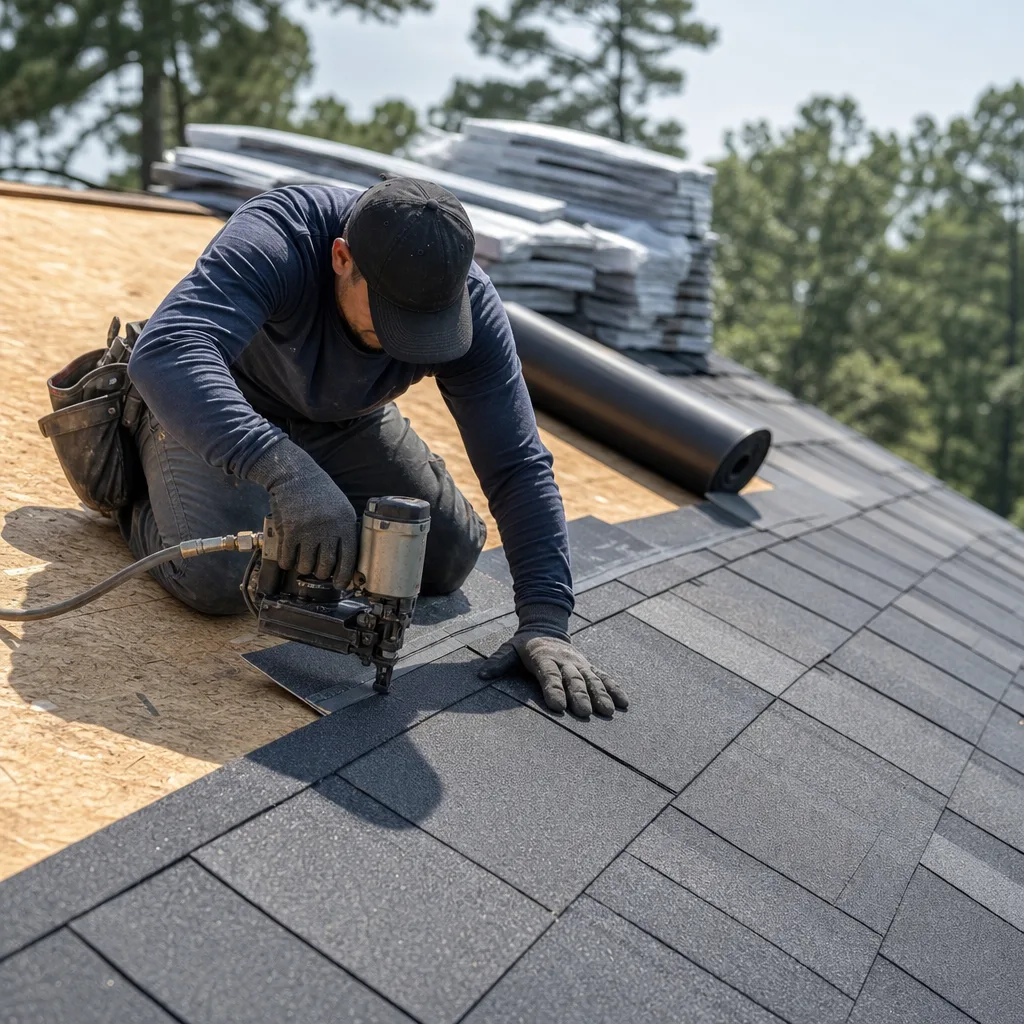
Roof Installation Versus Roof Repair: How To Tell Which You Need
Not every leak means you need a roof installation. A lot of them don’t. Here’s how to tell the difference before anyone starts talking numbers.
Most of the time, it comes down to one question. Is the problem in one place, or is it everywhere?
A repair is usually enough when:
- The damage is in one spot. A storm tore off a few shingles, a limb hit one section, or water is getting in around a single vent or chimney.
- The flashing failed but the shingles around it still lie flat and hold their granules.
- The roof is fairly young and the rest of it looks sound from the ground and from the attic.
- The decking under the bad spot is still firm, with no soft or spongy feel.
If that sounds like your roof, fix it. A good repair on a healthy roof can give you years. Spending money on a full tear-off when the roof has plenty of life left doesn’t make sense, and we won’t tell you it does.
Installation starts to make sense when:
- Shingles are curling, cracking, or going bald across several slopes, not just one corner.
- You’re finding piles of granules in the gutters or at the bottom of the downspouts.
- You’ve got leaks in more than one room, or the same area keeps leaking after it was already fixed.
- The roofline sags, or the decking feels soft when you walk on it.
- You see daylight through the roof boards from the attic, or the attic stays damp and smells musty.
- The roof is near the end of its expected life and you’re calling someone out for repairs more and more often.
Watch for that last one. One repair is maintenance. Three repairs in a few years on an old roof is a pattern. Every patch costs you a service call, and none of them fix the real problem. The whole system is wearing out at the same time. At some point, the smart money goes into one new roof instead of a string of small fixes.
Here’s a common case. A homeowner sees a water stain on the bedroom ceiling and assumes the worst. Then someone climbs up and finds a cracked rubber boot around a plumbing vent. The rest of the roof is fine. That’s a small fix, not a new roof. Flip it around: the same stain shows up, but the shingles on every slope are brittle and shedding. Fixing the vent stops that one leak. The next one is already on its way.
You can check a lot of this yourself from the yard and the attic with a flashlight. Don’t climb on the roof to do it. If you’re still not sure, a roof inspection gives you a clear answer on what’s failing and why. If it turns out to be a one-spot problem, our roof repair page covers that side of things.
The point is simple. A new roof should solve a problem a repair can’t. If a repair will do the job, that’s the answer you should hear.
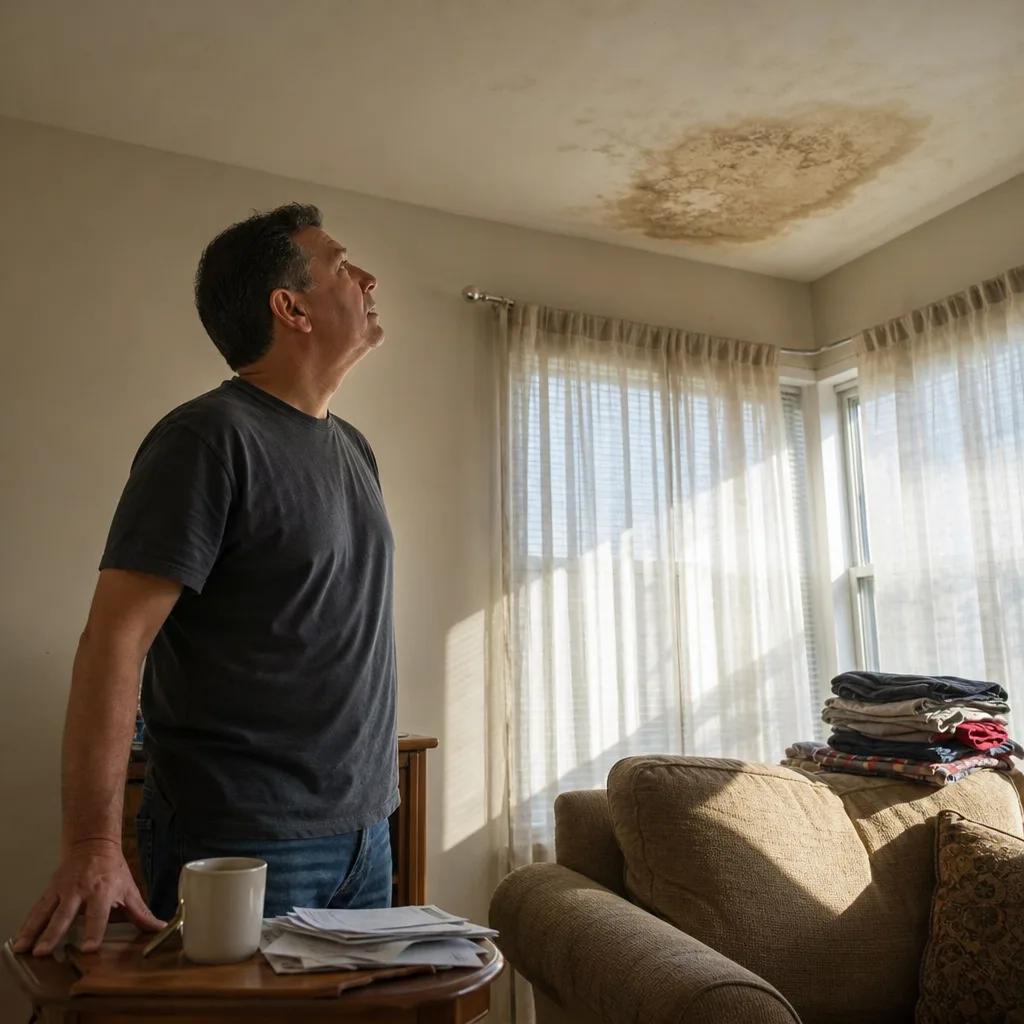
Signs A Roof Cannot Wait For Installation
Knowing you need a new roof is one thing. Knowing how soon is another. Some worn roofs can hold out for a season while you save up and get quotes. Others are letting water into the house right now, and every rain makes the job bigger. What matters is whether the damage is staying put or spreading.
A roof that’s old but dry gives you time. A roof that’s letting water reach the wood, the insulation, or your ceilings doesn’t. Once water gets past the shingles and the underlayment, it soaks into the decking. Wet decking rots. Rotten decking has to be cut out and replaced before a new roof can go on. That adds labor and material to the job. Waiting on a leaking roof doesn’t save money. It moves the cost from one line of the estimate to another, and usually makes it bigger.
These are the signs that it’s time to move now, not next year:
- A ceiling stain that keeps getting bigger after each storm, or drywall that’s starting to bulge or droop.
- Water dripping near a light fixture, ceiling fan, or attic wiring. That’s an electrical problem as well as a roof problem.
- A soft spot in the decking that’s grown since you last checked it.
- Wet or flattened insulation in the attic, or a musty smell that has moved into the rooms below.
- Storm damage that left bare decking or underlayment showing across a large area, not just a few missing shingles.
- A tarp that’s been on the roof for weeks with no plan to replace what’s under it.
Weather in Florence makes this worse. Our summers are hot and humid, and afternoon thunderstorms roll through often. Wet wood under a roof doesn’t get a chance to dry out between storms. It just stays damp and keeps breaking down. Hurricane season runs from June through November. A roof that’s already loose, patched, or tarped is the one most likely to fail when a tropical system pushes heavy wind and sideways rain through the Pee Dee. It’s better to get a full roof installation done on a calm, dry stretch than to scramble after a storm, when every crew in the area is booked.
If water is coming in today and a new roof can’t go on this week, stop the damage first. Emergency roof repair can cover the open area and keep the inside of your home dry until the real work starts. Just know a tarp is a bandage. It isn’t a plan.
Now the other side. If your roof is old, the shingles look tired, but the attic is dry and the ceilings are clean, you don’t have to rush. Get a few honest quotes. Pick your material. Schedule it for a good weather window. Nobody should push you into a same-week contract on a roof that isn’t leaking. If someone does, that tells you more about them than about your roof.
That same focus carries through the practical roof installation guidance our team provides to local families.
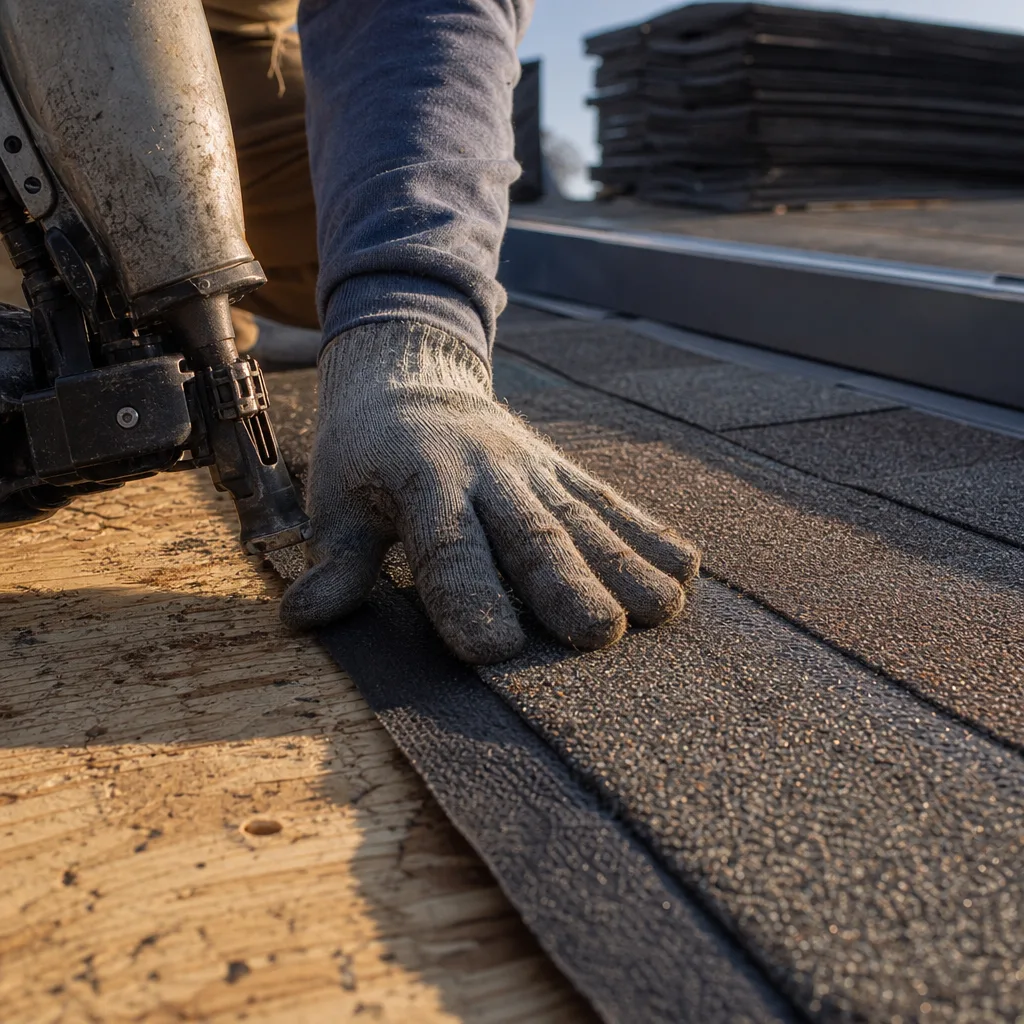
What Happens During A Roof Installation
A new roof isn’t just new shingles. It’s a stack of layers that work together to keep water out. The shingles are only the part you can see. Most of what makes a roof last happens underneath, and that’s where a rushed job cuts corners.
Here’s how a full installation goes, start to finish.
- Tear-off. The old shingles, underlayment, and nails come off down to the bare wood. Laying new shingles over old ones hides problems and adds weight. A full tear-off lets everyone see what’s really there.
- Decking check. With the roof stripped, the crew walks the boards and looks for rot, soft spots, and water stains. Bad sections get cut out and replaced with new plywood or OSB. This is the one part of the job nobody can fully price until the old roof is off.
- Drip edge. Metal strips go along the eaves and rakes so water drops cleanly into the gutters instead of soaking the edge of the decking and the fascia.
- Underlayment. A water-resistant layer goes over the whole deck. Valleys, eaves, and the spots around chimneys and vents usually get a heavier self-sealing membrane, because that’s where water collects and runs hardest.
- Flashing. Metal flashing goes around chimneys, skylights, walls, and pipe boots. Old, rusted flashing should be replaced, not reused. A lot of leaks start here, not in the shingles.
- Ventilation. Intake vents at the eaves and exhaust at the ridge let hot, wet air out of the attic. In Florence’s long, sticky summers, a roof that can’t breathe cooks the shingles from below and keeps moisture trapped on the decking.
- Shingles or panels. The roofing goes on from the bottom up, with each row lapped over the one below it and nailed where the manufacturer says to nail it. Metal roofing follows its own system of panels, clips, and trim.
- Ridge cap and cleanup. The peak gets capped, the yard gets swept for nails, and the debris gets hauled off.
Most houses get done in a day or two once the weather cooperates. Bigger or steeper roofs, or ones with a lot of rotten decking, take longer. A sudden afternoon storm can stop work, so a good crew only strips as much roof as it can dry in the same day.
Before anyone starts, ask a few plain questions. Is this a full tear-off? How is rotten decking priced? Are you replacing the flashing or reusing it? How is the attic vented? Who’s on the roof, and who do I call if I have a question mid-job? Straight answers to those tell you a lot about the job you’ll get.
Our crews do this work, and our office keeps the schedule. If something changes on the roof, you’ll know about it. A new roof is a big check to write. You should understand every layer you’re paying for.
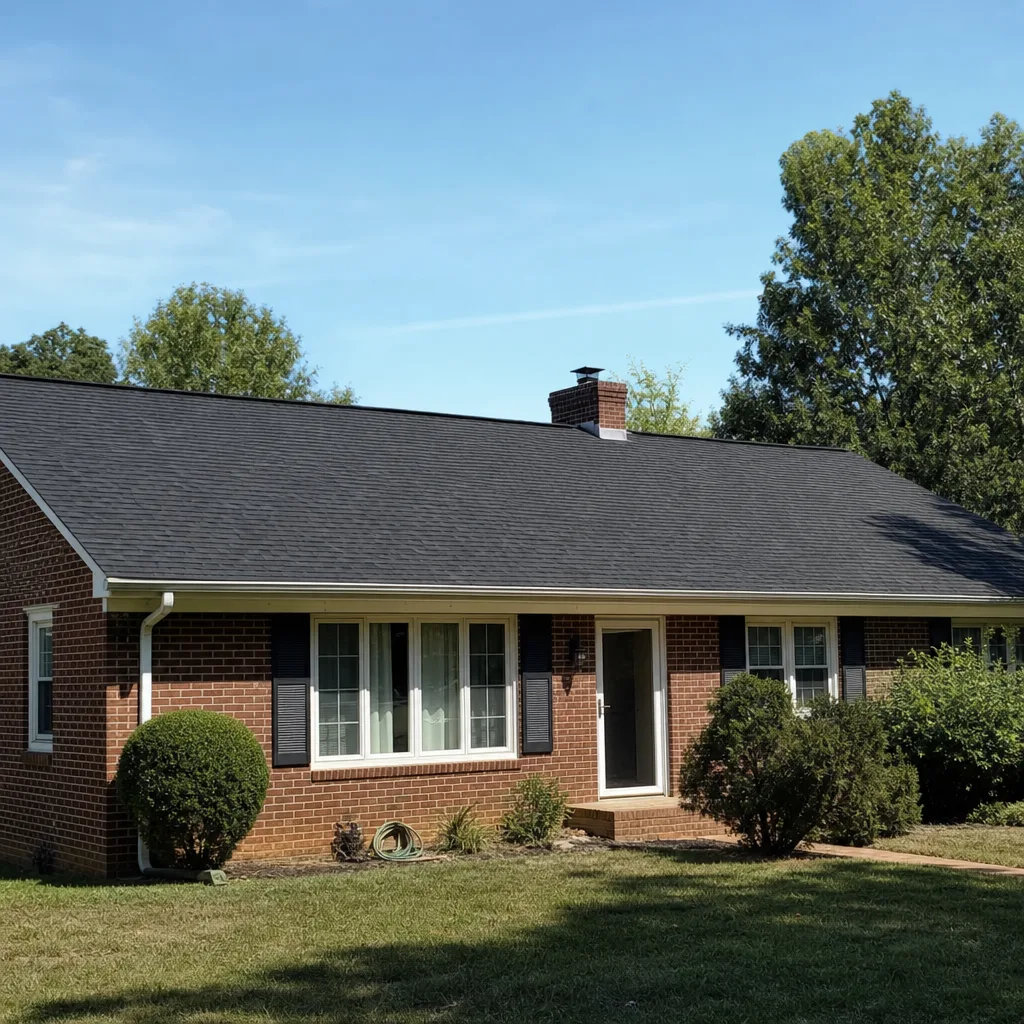
How Roof Installation Pricing Is Structured
Nobody can give you an honest roof price over the phone without seeing the roof. That’s not a dodge. A roof installation quote is built from a handful of real measurements and choices, and every house is different. Once you know what those pieces are, you can read any quote and tell whether it’s complete.
Roofers measure in squares. One square is 100 square feet of roof surface. That’s not the same as your home’s floor space. A steep roof with overhangs covers more area than the floor plan under it, so the square count is the starting point for almost every quote.
From there, these things push the price up or down:
- Size. More squares means more material, more labor, and more debris to haul off.
- Pitch. A steep roof is slower and harder to work on safely. Crews need more safety gear and more time, and that costs more.
- Complexity. Valleys, dormers, skylights, chimneys, and lots of roof planes all mean more cutting, more flashing, and more labor than a simple two-sided roof.
- Layers to tear off. If there are two old layers of shingles instead of one, removal takes longer and creates more weight to dump.
- Material. Standard architectural shingles cost less than metal roofing. Metal costs more up front, but you’re buying a different kind of system.
- Decking. Rotten boards are usually priced per sheet, because nobody knows how many there are until the old roof comes off.
- Flashing, vents, and edge metal. New drip edge, new flashing, and better attic ventilation add to the job. They’re also the parts that keep a new roof from leaking early.
- Permits and disposal. Any required permit fees, plus dumpster and haul-off costs, should be in the quote, not added later.
A good quote breaks these out in plain words. You should see the number of squares, the material by name, whether it’s a full tear-off, what’s being done with the flashing and vents, and the per-sheet price for any decking that has to be replaced. If a quote is one number on one line, ask for the details. You’re not being difficult. You’re making sure you’re comparing the same job.
That matters most when you line up two or three bids. The low one often isn’t cheaper. It’s just leaving something out. Maybe it reuses the old flashing. Maybe it lays shingles over the old roof instead of tearing off. Maybe it says nothing about decking, so the extra shows up on the final bill. Put the line items side by side, and the gap usually explains itself.
One more thing to plan for. In Florence, storm season keeps roofers busy, and after a big system blows through, everybody’s calling at once. Getting quotes on a calm stretch gives you time to read them closely instead of signing the first thing put in front of you.
We’re licensed and insured in South Carolina, SC License LLR 63047. When we quote your roof, you’ll get the pieces spelled out so you know exactly what you’re paying for and why.
Choosing A Licensed Roof Installer in South Carolina
You’ve figured out you need a new roof and you know how to read a quote. The last question is who you hand the job to. A roof is only as good as the people nailing it down, and in South Carolina you can check a lot about a roofer before you ever sign.
Start with the license. Contractor licenses in South Carolina go through the state’s Department of Labor, Licensing and Regulation, called LLR. A real roofer will give you a license number without blinking. Look it up yourself on the LLR site. Make sure the name matches the company on your contract and the license is active. If someone gets vague or says they’ll send it later, that’s your answer.
Then ask about insurance. You want two things: general liability, which covers damage to your house, and workers’ comp, which covers anyone who gets hurt on your roof. Ask for a certificate of insurance. Without it, an accident on your property can turn into your problem.
Here’s what else is worth asking before you sign:
- Who pulls the permit? The roofer should, not you. If they suggest skipping it, walk away.
- Who’s on the roof? Find out whether it’s the company’s own people or whoever they can find that week.
- Who do I call during the job? You should get a real person who can answer a question, not a voicemail box.
- Is there a local address and phone number? You want someone you can still reach after the dumpster’s gone.
- What do you need up front? A deposit for materials is normal. Asking for most of the money in cash before any work starts isn’t.
Be extra careful after a big storm. When a hurricane or a bad line of thunderstorms comes through the Pee Dee, out-of-town crews show up knocking on doors. Some do fine work. Others take a deposit, rush a roof on, and leave the state before the first leak shows up. Check that license number every time, even when the truck looks professional and the guy’s friendly.
Reviews help too. Read what people say about how the job went, not just the star rating. Did the crew show up when they said? Did the office call back? Did the yard get cleaned up? That tells you how a company acts when nobody’s watching.
Here’s how we answer those questions. We’re licensed and insured, SC License LLR 63047, and you’re welcome to look it up. We hold a 5.0 rating on Google Reviews. Mac owns the company and makes the calls. Brad handles the technical questions from our sales team and crews, so when something on your roof needs a real answer, it goes to someone who knows. Haley runs the phones and the schedule, so you’ll know who to call and when we’re coming.
We’ll tell you whether you need a repair or a full roof. We’ll show you what we find and spell out what you’re paying for. No pressure and no runaround.
Frequently Asked Questions
Most homes get done in a day or two once the weather cooperates. Bigger or steeper roofs, or ones with a lot of rotten decking to replace, take longer. A sudden afternoon storm can also stop work, so a good crew only strips as much roof as it can dry and cover the same day.
No, a full tear-off is the right way to do it, not a layer on top of the old roof. Laying new shingles over old ones hides problems like soft decking and adds extra weight. Stripping the roof down to bare wood lets the crew see exactly what’s underneath before anything new goes on.
Stop the damage first with a temporary repair instead of waiting for the full installation. A tarp or emergency patch over the open area keeps water out of your home until the real work can be scheduled. Just remember a tarp is a short-term fix, not a finished plan, so get the full installation booked as soon as you can.
- Licensed & Insured (SC License LLR 63047)
- 5.0 rating on Google Reviews
- Customers value the quality of the work and materials
- clear communication