Residential Roofing in Florence: Know Who's Qualified to Work on Your Home
A family-owned, locally operated roofing company with family roots in the trade dating to 1988.
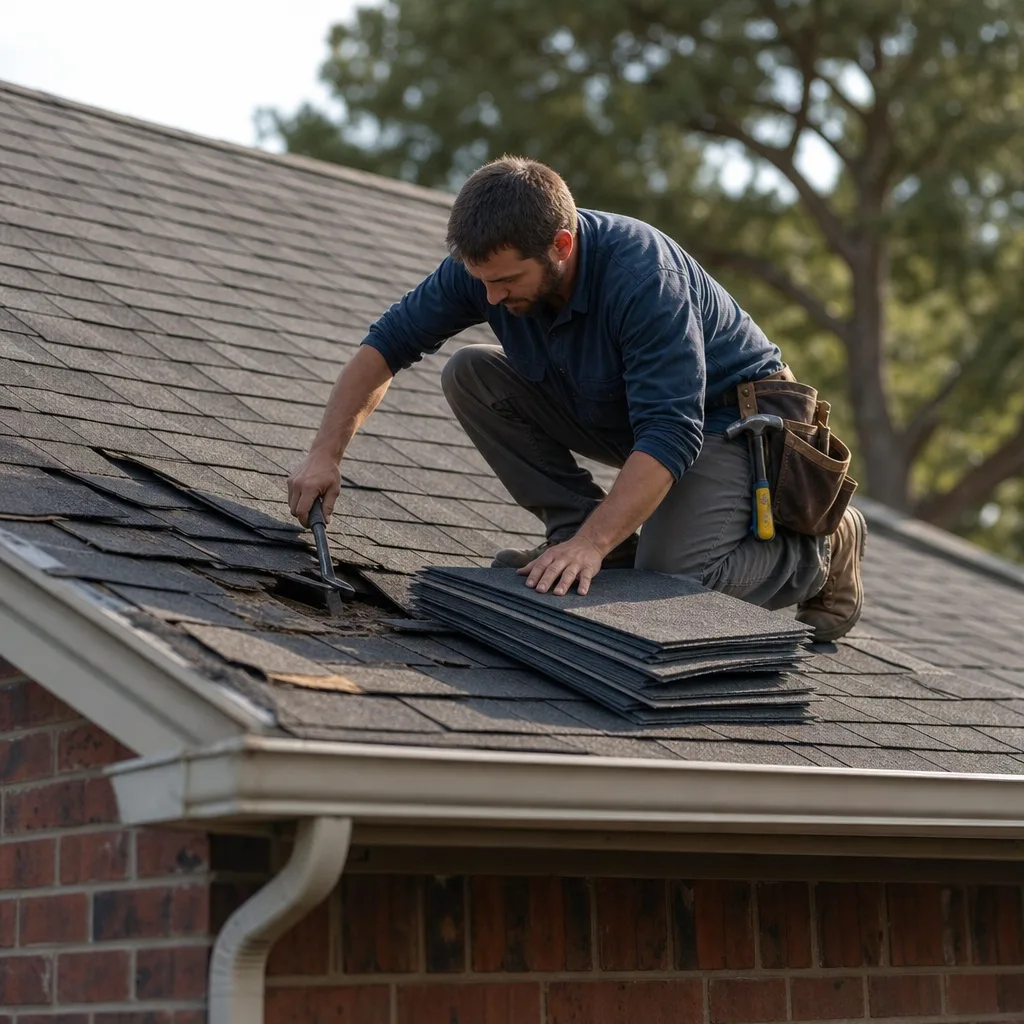
South Carolina Requires a Licensed Contractor for Residential Roofing Work
Here’s the plain truth. Anybody can buy a ladder and a nail gun. That doesn’t make them a roofer you should let on your house. South Carolina licenses contractors who do residential roofing through LLR, and that license is your first filter. It tells you the person you’re hiring is on record with the state and can be held to account if the job goes wrong.
It matters most right after a big storm. When a hurricane or tropical storm rolls through the Pee Dee, out-of-town crews tend to show up fast. Some do fine work. Some knock on doors, take a deposit, and leave. Once they’re gone, you’ve got no license to file a complaint against and no local office to call. A state license and a local phone number won’t fix everything, but they make it a lot harder for someone to vanish on you.
Insurance is the other half, and it protects you as much as the roofer. Roofing is dangerous work. If an uninsured worker falls off your roof, you don’t want that landing on your homeowner’s policy. If a crew drops a bundle of shingles through your sunroom or leaves your roof open before a summer downpour, their liability coverage should pay for it, not you.
Checking a roofer only takes a few minutes. Here’s what to ask before you sign:
- What’s your South Carolina license number? Get it in writing, then look it up on the LLR website to make sure it’s active and in the right name.
- Can you show me a current certificate of insurance? Look for general liability, and ask about workers’ comp for the crew on your roof.
- Who’s pulling the permit, if one is needed? A licensed contractor should handle this, not hand it off to you.
- Is the name on the contract the same as the name on the license? If they don’t match, ask why.
- Where’s your business based, and how do I reach you after the job is done?
If a roofer gets vague about any of these, that tells you something. A real contractor answers these questions without blinking, because they get asked all the time. Watch out if someone wants a big cash payment up front, says you don’t need a permit for a full tear-off, or pushes you to sign that same day.
We’ll save you the trouble of asking. We’re licensed and insured. Our license is SC License LLR 63047, and you’re welcome to look it up before you ever call us. We’d rather you check us out and feel sure than take our word for it.
A license won’t promise a perfect roof, and no honest roofer will tell you it does. What it gives you is someone the state knows about, with insurance behind the work, who isn’t going anywhere once the last shingle is down. For something that sits over your family’s heads for the next couple of decades, that’s the bare minimum you should accept.
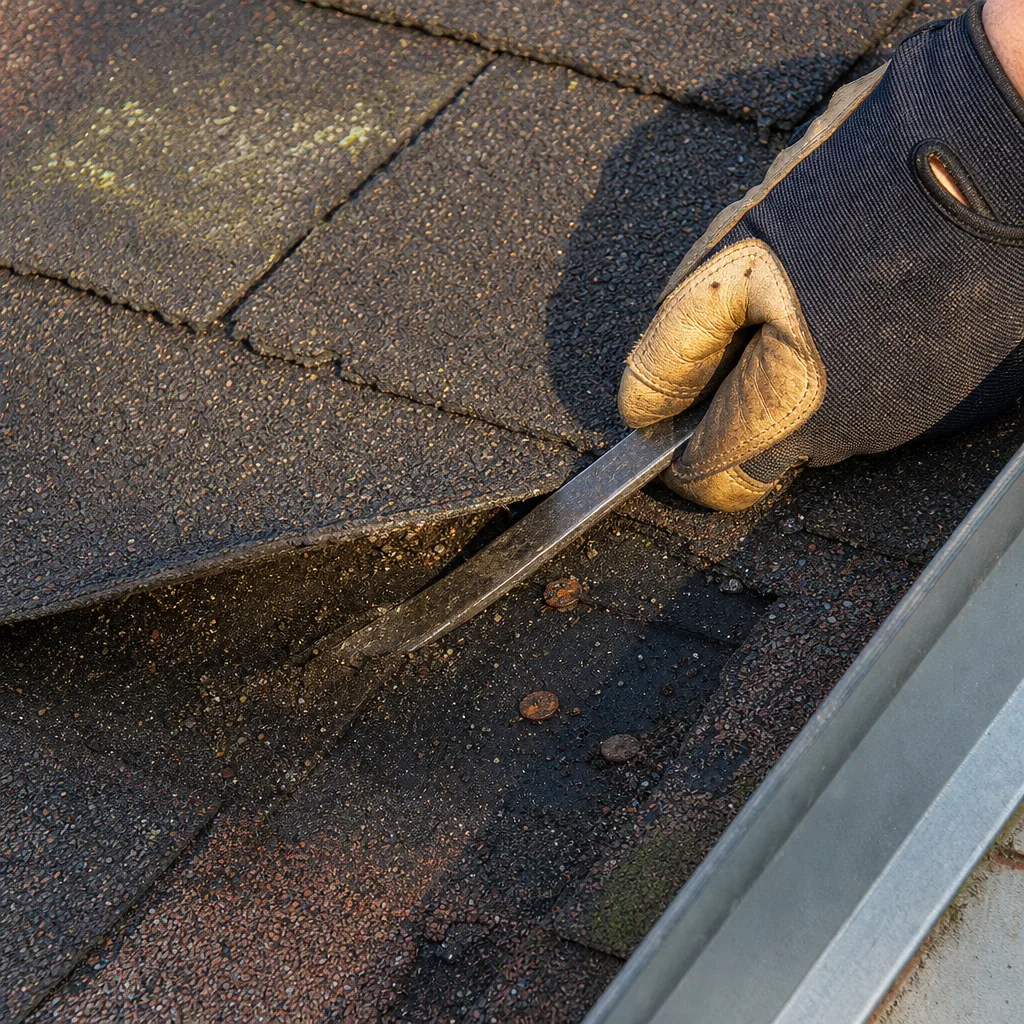
Signs Your Roof Needs Repair Versus Full Replacement
Most roof problems don’t mean you need a new roof. A few blown-off shingles or one leak around a pipe is usually a repair job. A roof that’s worn out all over is a different story. The trick is knowing which one you’ve got, and an honest roofer should tell you even when the answer is the cheaper one.
Here are the signs that point to a repair:
- A handful of shingles lifted, cracked, or torn off after a storm, with the rest of the roof still lying flat and holding its granules.
- A leak in one spot, often around a vent pipe, chimney, or skylight where the flashing or sealant has failed.
- Damage from one event, like a fallen limb, while the decking underneath still feels solid.
- A fairly young roof that’s had one bad day.
If that sounds like your house, fix it and move on. Don’t let anyone talk you into tearing off a good roof because of one bad patch. Our Roof Repair page covers what that work looks like.
These are the signs that point to replacement:
- Shingles curling, cupping, or cracking across whole sections, not just in one corner.
- Lots of granules in your gutters or at the bottom of your downspouts. Those granules shield the shingles from the sun, and once they’re gone, the shingles break down fast.
- Soft or spongy spots when you walk the roof, or a roofline that sags. That usually means water has gotten into the wood decking.
- Leaks in more than one place, or leaks that keep coming back after they’ve been fixed.
- Daylight showing through the roof boards when you look up from the attic.
- A roof nearing the end of its expected life, where you’re patching something new every season.
Our weather in Florence is hard on a roof. Long, hot summers bake asphalt shingles and dry them out. The humidity keeps attics damp and gives moss and mildew a place to grow on shaded slopes. Then the afternoon thunderstorms and the odd hurricane or tropical storm test every weak spot at the same time. A roof that’s already tired doesn’t hold up well against all of that.
There’s also a money question. Once repairs start stacking up year after year, you’re paying to prop up a roof that’s on its way out anyway. At that point, a full Roof Replacement often makes more sense than writing check after check for patches. If the damage is spread out, or the decking is going soft, patching only buys you a little time.
Here’s a common scenario. A homeowner spots a brown water stain on the bedroom ceiling after a summer storm. They figure the whole roof is shot. Sometimes it is. Just as often, the cause is one cracked boot around a plumbing vent, and fixing that stops the leak for good. You won’t know which one you’ve got until someone gets up there and looks.
If you can’t tell which side of the line your roof falls on, start with a Roof inspection. You’ll get a straight answer on what’s wrong before you spend a dollar on the fix.
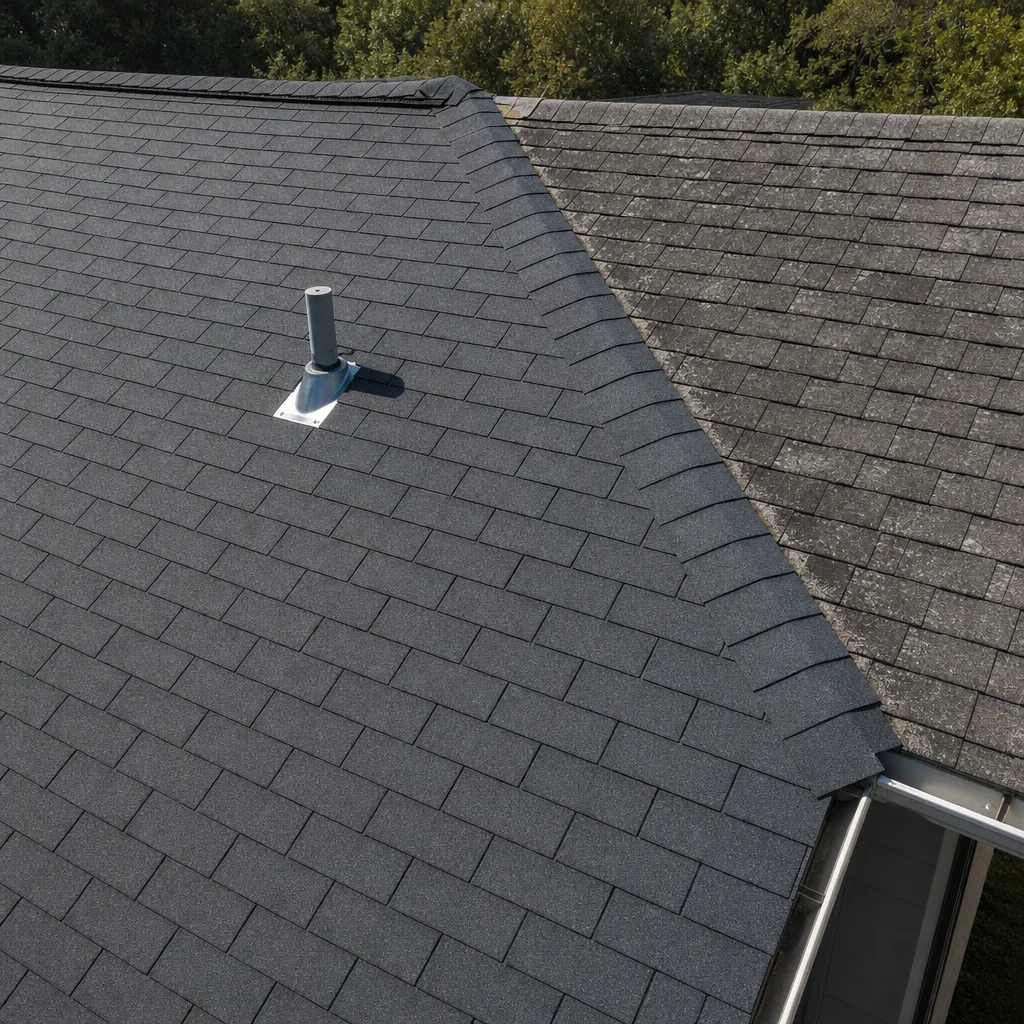
When Your Roof Does Not Need a Professional Yet
Not every odd-looking thing on your roof needs a roofer. Some of it is cosmetic. Some of it is plain upkeep you can handle yourself. And sometimes the right move is to wait and keep an eye on it. We’d rather tell you that now than have you pay for a visit you didn’t need.
Here are the common ones that can usually wait:
- Dark streaks on the shingles. In our humid weather, black or green streaks often show up on shaded slopes. Most of the time it’s algae. It looks bad, but on its own it isn’t a leak and it isn’t a reason to replace anything.
- A few loose granules on a newer roof. New shingles shed some extra granules early on. A light sprinkle in the gutters after the first few rains is normal. A steady pile year after year on an older roof is a different story, and that’s covered above.
- Pine straw and leaves in the gutters and valleys. Florence has a lot of pines, and they drop straw all year. Clearing out gutters and valleys is a maintenance chore, not a roofing job. If you’re comfortable on a ladder at the gutter line, it’s something plenty of homeowners do themselves. If you’re not, a handyman or gutter service can do it.
- An old, dry ceiling stain. If a stain hasn’t grown, stays dry after a hard rain, and you know a leak was fixed before, it may just be leftover from that old problem. A coat of stain-blocking primer and paint might be all it needs.
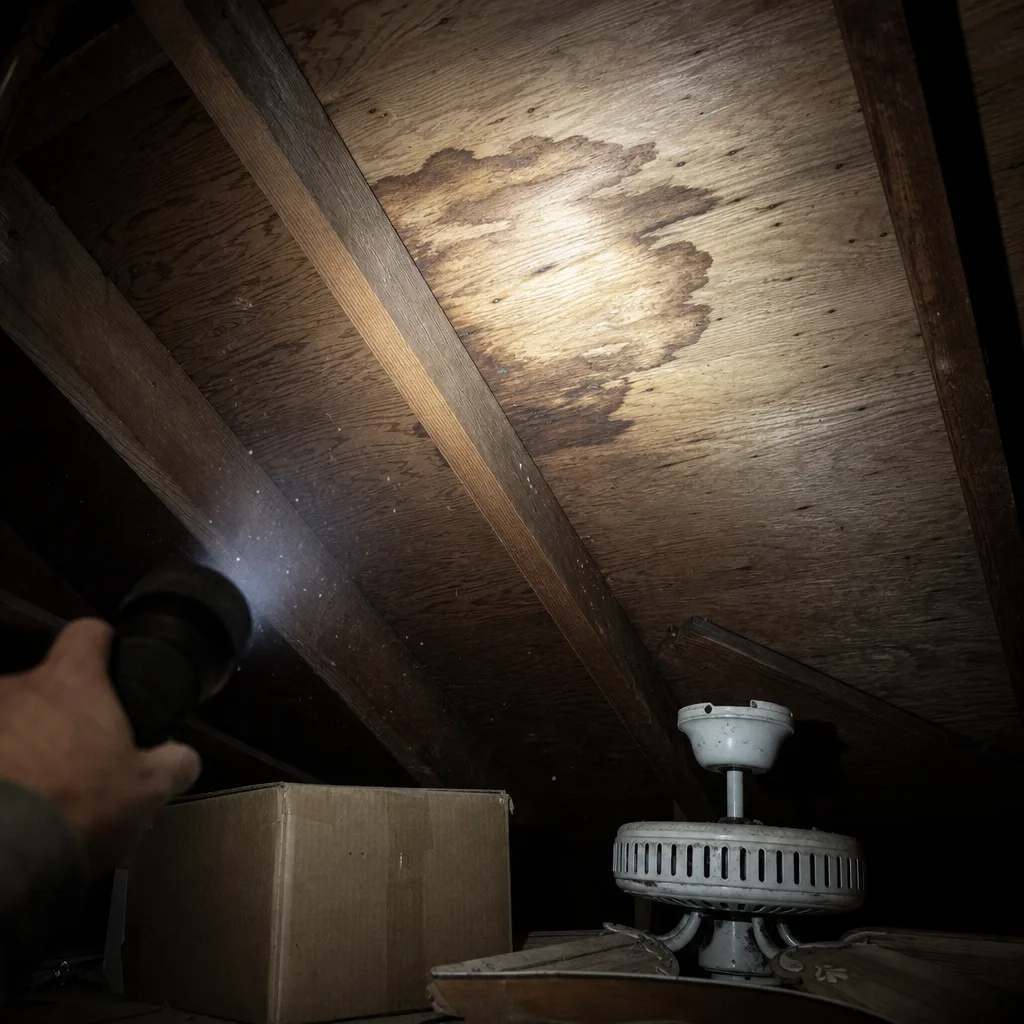
For that last one, here’s a simple test. After the next good storm, go up into the attic with a flashlight and look at the wood above the stain. Dry wood and a stain that isn’t spreading? You can probably wait. Damp wood, a fresh drip, or a stain that’s getting bigger means it’s time to have someone look.
You also don’t need to climb onto the roof to check it after a storm. Walk around the house and look from the yard. A pair of binoculars helps. Look for missing shingles, pieces of shingle in the grass, or anything hanging off the edge. If everything looks flat and in place and nothing is leaking inside, you’re likely fine.
Then there’s the knock on the door. After a big storm rolls through the Pee Dee, somebody may show up saying you need a whole new roof. If you don’t have leaks, you can’t see damage from the ground, and your roof isn’t very old, you don’t have to sign anything that day. You’re allowed to slow down, get another opinion, and check out whoever’s asking for your money. A real problem will still be there next week.
One honest caution. Waiting makes sense for cosmetic stuff and upkeep. It doesn’t make sense for an active leak, a sagging roofline, or soft spots in the decking. Those get worse with every rain, and our summer storms don’t give you many dry weeks to think it over. If you’ve got one of those, that’s when a roofer earns their keep. For everything else on this list, save your money and keep watching.
How Residential Roofing Pricing Works
Roofers don’t price a house by the house. They price it by the square. A square is 100 square feet of roof. Your roof is bigger than your floor plan because of the slope and the overhangs, so a 1,800-square-foot home can easily have more than 18 squares up top. Every quote starts with that number, and then the details stack on top of it.
That’s why two neighbors with the same size house can get very different prices. Here’s what moves the number:
- Roof size and shape. More squares means more material and labor. Lots of valleys, dormers, and hips mean more cutting, more flashing, and more time.
- Pitch. A steep roof is slower and harder to work on safely. Crews need more gear and more care, and that costs more than a low, walkable slope.
- Tear-off. Removing old shingles takes labor and dumpster space. If there are two layers up there instead of one, expect the price to go up.
- Decking. Nobody knows for sure how much rotted wood is under the shingles until the old roof comes off. Soft spots from old leaks have to be replaced before new roofing goes down.
- Material. Architectural asphalt shingles, basic three-tab shingles, and Metal Roofing all cost different amounts to buy and to install.
- Flashing and vents. Chimneys, skylights, plumbing boots, and ridge vents all need their own parts and labor.
- Permits, disposal, and access. Permit fees, hauling off old material, and a tight lot where a trailer can’t get close all show up on the bill.
The decking line is where a lot of surprise costs come from. A fair quote tells you up front how rotted wood will be handled. Usually it’s a set price per sheet, so you know the rule before anyone pulls a shingle. If a quote doesn’t mention decking at all, ask. With our humid weather and summer storms, it’s common for older roofs to hide some soft wood around old leak spots.
A low price can be a real deal. It can also mean something got left out. One quote might include new underlayment, drip edge, new pipe boots, and ridge vent. Another might reuse old flashing and skip the ice and water barrier in the valleys. The second one looks cheaper on paper, but it isn’t the same roof.
Before you compare numbers, line up the quotes and ask each roofer the same questions:
- Is this priced per square, and how many squares did you measure?
- Does it include full tear-off down to the decking?
- How is rotted decking priced if you find it?
- What underlayment, flashing, and vents are included?
- Are permit fees, the dumpster, and cleanup in this price?
- What would make the final bill different from this quote?
If your roof was hit by a storm and you’re filing a claim, the same rules apply. The adjuster’s estimate is built from the same pieces: squares, tear-off, materials, and extras. Make sure your roofer’s scope and the insurance scope cover the same work.
A good quote doesn’t just give you a total. It shows you how the total was built, line by line, so nothing on the final bill catches you off guard.
What Happens During a Residential Roofing Job
A roof replacement isn’t a mystery. It follows the same basic order every time: prep, tear-off, repair the wood, waterproof, shingle, clean up. Once you know that order, you can tell a crew that’s doing it right from one that’s cutting corners.
Before the crew shows up, there’s some prep on your end. It doesn’t take long, and it saves headaches:
- Move cars out of the driveway and away from the house. Old shingles and nails come down fast.
- Take pictures and mirrors off the walls on the top floor. All that hammering shakes the house.
- Cover anything stored in the attic. Dust and bits of old roofing can sift down through the boards.
- Keep kids and pets inside or away from the work area for the day.
- Tell the crew about anything they should know, like a sprinkler head near the drip line or a garden bed you care about.
Then the old roof comes off. A full tear-off goes all the way down to the wood decking. That’s the only way to see what’s really under there. Any soft or rotted sheets get swapped out before anything new goes down, priced the way your quote said it would be.
Weather matters a lot here. Florence summers bring afternoon thunderstorms that can build up out of a clear morning. A careful crew only tears off what it can dry in that same day. Dried in means the decking is covered with underlayment so rain can’t get to the wood. If someone strips your whole roof and leaves it open at 3 p.m. in July, that’s a problem.
Next comes the waterproofing layer, which matters more than the shingles do:
- Drip edge along the eaves and rakes, so water runs off the edge and into the gutters instead of soaking the fascia.
- Ice and water barrier in the valleys and around chimneys, skylights, and pipes. These are the spots where leaks start.
- Underlayment across the rest of the deck as a second line of defense.
- New flashing and new pipe boots. Old boots crack in our sun, and reusing them is how a new roof ends up leaking in year two.
Then the shingles go on. That starts with a starter strip at the edges, then course after course up the slope, and finally ridge caps and ridge vent across the top. The ridge vent lets hot, damp air out of the attic. In a humid place like the Pee Dee, that helps keep your decking dry and your shingles from baking.
Cleanup is part of the job, not an extra. Old shingles get hauled off. The yard, driveway, and flower beds should get swept for nails with a magnet. A roofing nail in a tire or a bare foot is a lousy way to remember your new roof. Before the crew leaves, walk the property with whoever’s in charge. Look at the edges, the flashing around the chimney, and the gutters. Ask questions. A good roofer is glad to answer them.
Most single-family homes don’t take long once the work starts, but a steep pitch, a lot of rotted decking, or a storm rolling in can add time. Nobody should rush a roof to beat the clock.
Frequently Asked Questions
Slow down before you pay anyone upfront after a storm. Ask for the South Carolina license number and proof of insurance, then verify both with the LLR website yourself. Out-of-town crews often move into the Pee Dee right after a hurricane or tropical storm, and a legitimate contractor won’t mind you checking before you hand over money.
You can start a claim yourself, but your roofer’s quote should match the adjuster’s estimate line for line. Both are built from the same pieces: squares, tear-off, materials, and extras like flashing or decking repair. Make sure the scope of work in your roofer’s quote lines up with what the insurance company approved before repairs begin.
Clear your gutters and valleys regularly since Florence’s pine trees drop straw and needles all year. This is routine upkeep, not a roofing repair, and plenty of homeowners handle it themselves if they’re comfortable on a ladder at the gutter line. A handyman or gutter service can do it for you if you’d rather not climb up there.
- Licensed & Insured (SC License LLR 63047)
- 5.0 rating on Google Reviews
- Customers value the quality of the work and materials
- clear communication